
How to Choose Ethical, Health-Focused Maine Coon Breeders in Texas
Finding Maine Coon kittens in a state as vast as Texas is easy; finding the right kitten from the right breeder takes care and discernment. Start with a breeder whose priorities are health, structure, and temperament—not just color or size. A truly ethical breeder is transparent about health testing for genetic conditions known in the breed, such as HCM (Hypertrophic Cardiomyopathy), SMA (Spinal Muscular Atrophy), and PK-deficiency. Ask for proof of DNA screening, recent echocardiograms on breeding cats when available, and orthopedic evaluations for hips. Responsible programs also screen for infectious diseases like FeLV and FIV and follow a vaccine protocol suited to each kitten’s age and health.
Temperament begins at home. Seek kittens raised in a household environment, not isolated in outbuildings. Daily handling, exposure to routine household sounds, gentle play, and age-appropriate enrichment produce confident, affectionate companions that adapt smoothly to Texas households—from high-rise apartments in Dallas to Hill Country homes with kids and dogs. Look for breeders who provide regular updates, photos, and videos, and who welcome questions about socialization milestones, litter training, and early grooming habits.
Pedigree matters, but it means more than a piece of paper. Lines carefully developed from champion and show-winning European ancestry often exhibit the classic Maine Coon look: substantial bone, balanced muzzles, expressive eyes, and luxurious coats. Breeders who uphold international benchmarks—such as the high standards associated with organizations like FIFe—tend to emphasize durable structure and stable temperament over trends. This is crucial for a large, slow-maturing breed that reaches full size and coat over several years.
Ethical breeders in Texas will discuss spay/neuter timing, microchipping, and a written health guarantee. They will also be candid about waitlists, pricing, and policies for reservations and returns. Red flags include pressure tactics, no questions asked sales, or promises of “giant” cats beyond what healthy structure supports. If an in-person visit isn’t practical, a live video meet-and-greet helps you evaluate the kitten’s confidence and the cattery’s cleanliness. When you’re ready to explore current availability from a program that prizes health, type, and temperament, you can begin your search for Maine coon kittens for sale in Texas.
Preparing Your Texas Home for a Maine Coon: Climate, Care, and Comfort
Bringing a Maine Coon into a Texas home means planning for size, coat care, and climate. These gentle giants flourish with vertical spaces and sturdy scratching posts—think tall trees with wide, stable bases that won’t wobble when a 15–20 lb adult leaps. Offer multiple scratching textures (sisal rope, cardboard, and wood) to save your furniture and satisfy natural instincts. Position perches near windows for “cat TV,” but ensure screens are secure; curious kittens can push out weak fittings.
Texas heat calls for vigilant hydration. Many Maine Coons love running water, so a stainless or ceramic fountain can encourage regular drinking. Keep several water stations in cool, shaded areas and refresh them daily. Air conditioning is helpful during triple-digit summers; aim for a comfortable indoor climate and provide cool resting mats or tile access. For households that enjoy patio time, a secure, shaded catio with escape-proof screening delivers enrichment without risks associated with free-roaming in hot weather.
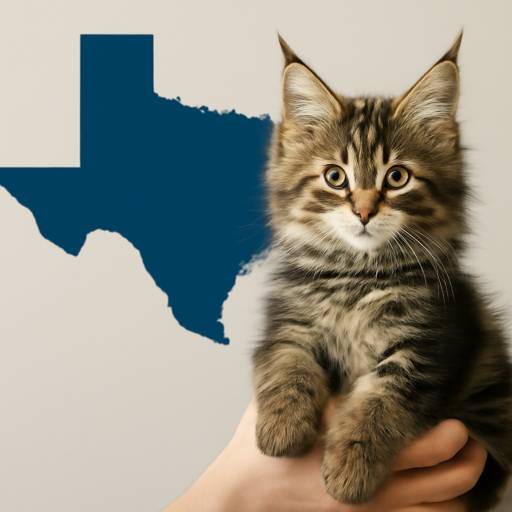
Coat care is manageable with routine. Even though Maine Coons have a luxurious double coat, short, consistent grooming sessions beat marathon detangling. Introduce a wide-tooth comb and slicker brush early, and focus on friction zones—armpits, britches, and behind the ears. A monthly nail trim, ear check, and gentle tooth care round out the routine. Early desensitization—touching paws, opening the mouth, handling ears—turns future vet visits into stress-light events.
Nutrition should support steady, not rapid, growth. Consult a veterinarian about high-quality, high-protein foods suitable for large-breed felines. Overfeeding in the quest for “big” can strain joints; proper portions protect long-term health. A slow introduction schedule helps sensitive stomachs adjust when transitioning foods post-adoption. Litter boxes should be generously sized; covered boxes can trap heat and odors in summer, so consider large, open designs with low-dust litter. Finally, set up a quiet “home base” for the first days—bed, litter, food, and water together—so your kitten can decompress before exploring the rest of your Texas-sized space.
Real-World Texas Scenarios: Matching Temperament, Timing, and Logistics
No two Texas households are the same, and pairing the right kitten with the right family is essential. Picture a Dallas professional couple with long workdays. A laid-back kitten—confident yet independent—may handle alone time better than an ultra-social shadow. Enrichment puzzles, timed feeders, and a companion cat can help meet emotional and mental needs. Meanwhile, a San Antonio family with children might prioritize a bold, people-oriented kitten from lines known for steadiness. Ask breeders about individual personalities, not just looks; conscientious programs track each kitten’s behavior during play sessions, handling, and new-situation exposure.
Consider a multi-pet Austin home with a gentle dog. Solid early socialization—supervised meet-and-greets, scent swapping, and short positive sessions—makes introductions smoother. Look for breeders who practice incremental exposure to dog sounds, carriers, grooming, and travel crates. For Houston residents with allergies, regular grooming, HEPA filtration, and diligent cleaning minimize dander; while no cat is truly hypoallergenic, Maine Coons with calm temperaments often tolerate frequent brushing, which helps manage allergens.
Timing matters. Ethical breeders typically place Maine Coon kittens around 12–16 weeks, ensuring complete initial vaccinations, microchipping, and robust social skills. Expect a waitlist for sought-after lines and colors (classic brown tabbies, silvers, blues, and reds). Transparent pricing typically reflects comprehensive health care, quality nutrition, registration paperwork, and post-adoption support. If a deal seems too good to be true, it probably is—veterinary screening, premium nutrition, and hands-on rearing carry real costs.
In a state the size of Texas, logistics are part of the plan. Some families prefer in-person pickup; others arrange safe, climate-considered travel options for their kitten. Reputable breeders will prioritize welfare over convenience, avoiding extreme-heat travel windows and using carriers set up with non-slip bedding. Once home, follow a structured transition: isolate for 24–72 hours, schedule the first veterinary check within a few days, and maintain the existing diet while slowly introducing any changes. With a focus on health, structure, and temperament—and a practical eye on Texas climate and lifestyle—your gentle giant will settle in quickly, offering years of affectionate companionship, playful antics, and that unmistakable Maine Coon charisma.

Gdańsk shipwright turned Reykjavík energy analyst. Marek writes on hydrogen ferries, Icelandic sagas, and ergonomic standing-desk hacks. He repairs violins from ship-timber scraps and cooks pierogi with fermented shark garnish (adventurous guests only).