
Why Professional Rug Cleaning Matters in Manhattan’s High-Traffic, High-Style Spaces
Life in Manhattan brings a unique blend of culture, energy, and constant motion—and your rugs feel every step of it. From Central Park pollen and construction dust to elevator traffic and pet-friendly buildings, city living grinds fine particulates deep into rug fibers. Over time, even premium vacuuming can’t remove embedded grit, oils, and allergens. That’s where professional rug cleaning becomes essential. A specialized clean doesn’t just improve appearance; it safeguards fiber integrity, stabilizes dyes, and helps maintain indoor air quality in compact apartments and busy offices.
Different rugs demand different care. Hand-knotted Persian and Oriental pieces, wool runners, silk and viscose blends, flatweaves, Navajo textiles, and contemporary synthetics react uniquely to moisture, agitation, and pH. A skilled team evaluates fiber type, pile density, construction, and pre-existing conditions like dye instability, pet contamination, or prior chemical residues. With a detailed inspection and dye-fastness test, pros select the right approach—immersion washing for robust wool, controlled low-moisture methods for delicate fibers, or solvent-assisted techniques for certain cellulosic blends. The result is a tailored plan that preserves the rug’s character while removing the soil you can’t see.
City-specific factors also matter. HVAC cycling in high-rises recirculates ultrafine dust, while ground-floor units draw in street-level pollutants. Restaurant deliveries, art studio projects, and stroller tires all add to the load. Add in pet accidents, winter slush, and summer humidity, and it’s easy to understand why routine rug cleaning every 12–18 months is more than cosmetic—it extends a rug’s usable life. Families with kids or pets, or buildings with ongoing construction, often benefit from more frequent care in hallways and seating zones.
Equally important is the use of eco-friendly, non-toxic solutions that are safe for households, offices, and co-ops with sensitive IAQ standards. Professional cleaners focused on health-conscious methods use pH-balanced detergents, enzyme spotters for proteins, and wool-safe surfactants that lift soils without leaving harsh residues. For those exploring options in the neighborhood, rug cleaning Manhattan services bring local know-how—from elevator scheduling to building COIs—so care fits right into daily life without disrupting it.
The Manhattan-Ready Rug Cleaning Process: From Pickup to Pristine
A meticulous, Manhattan-savvy process is what separates average results from showpiece outcomes. It begins with a thorough inspection and documentation. Pros assess fiber composition (wool, silk, cotton, viscose, synthetics), construction (hand-knotted, hand-tufted, machine-made), and risk factors like previous pet urine, dye migration, sun fading, or moth damage. A dye stability test ensures colors won’t bleed during washing. Rug dusting follows—often using harmonic vibration, compressed air, or specialized beating to dislodge accumulated grit that vacuums miss. This dry soil removal is crucial; skipping it can turn dust into abrasive mud during wet cleaning.
Pre-treatment targets traffic lanes, edge grime from baseboard contact, and specific stains—wine, coffee, ink, or pet proteins. Technicians apply fiber-appropriate spotters and let them dwell for maximum effect. Depending on the rug’s construction, a full immersion bath might be used to gently flush soils from the foundation yarns, while tufted or latex-backed rugs may get controlled low-moisture or hand-cleaning to prevent delamination. Wool-safe and silk-safe solutions do the heavy lifting, and careful pH management protects natural fibers. Rinsing continues until runoff is clear, signaling that soils and detergents have been thoroughly removed.
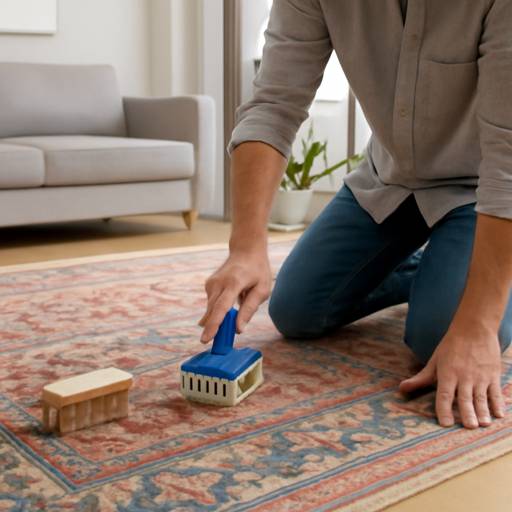
Extraction and drying are next. Speed matters in New York’s variable humidity. Centrifugal water extraction dramatically reduces dry time, and climate-controlled drying rooms with consistent airflow and dehumidification help prevent browning, dye migration, or musty odors. Once dry, rugs are groomed to reset the pile, fringes are carefully cleaned and aligned, and a final inspection checks for any remaining spot work. Optional applications include fiber protector to resist future spills, deodorizing to neutralize trapped odors, and moth treatment for wool pieces stored under furniture or in low-traffic corners.
Logistics count in Manhattan. Reliable teams coordinate pick-up and delivery windows that respect doorman schedules, freight elevator rules, and co-op/condo insurance requirements (COI). Walk-ups, tight stairwells, and delicate antiques are handled with protective padding and careful roll techniques. For commercial spaces—boutique hotels, galleries, or medical offices—after-hours service minimizes downtime. Turnaround typically runs 5–7 days for full wash and dry, with expedited options for emergencies. Clear communication throughout ensures rugs return brighter, softer, and truly clean—inside the pile, not just on the surface.
Tough Stains, Pet Odors, and Everyday Spills: Smart Solutions and Maintenance for NYC Rugs
From co-working lobbies to studio apartments, Manhattan rugs face spills that read like a city diary: espresso in the morning, red wine in the evening, takeout sauce at midnight. Quick action makes a difference. Blot—don’t rub—using a clean white towel to lift as much liquid as possible. Apply a small amount of cool water to dilute; continue blotting until transfer stops. Skip harsh store-bought spotters that can set stains or strip dyes. If the spill is oily (think salad dressing or cosmetics), a professional solvent step often prevents permanent shadowing. For protein-based accidents like pet urine, enzyme treatments break down odor-causing compounds far more effectively than perfumes or deodorizers.
Urban living brings unique stain and odor challenges. Seasonal HVAC changes can slow drying after minor spills, allowing mildew to develop in cotton foundations. Pet-friendly buildings mean more frequent accidents, and old residues can reactivate during humid spells. Professionals use UV lights to map hidden contamination and then perform targeted flushing with acid-neutralizing steps to stop re-soiling and off-gassing. In severe cases, full immersion with odor counteractants reaches the base of the rug, where DIY methods can’t. For lingering tobacco or cooking odors, a combination of thorough washing and advanced deodorization delivers lasting freshness without masking scents.
Maintenance extends results. Vacuum front and back routinely—front weekly in high-traffic areas, back quarterly—to remove dust before it compacts. Rotate rugs every six months to balance wear and sun exposure. Pair rugs with quality pads to reduce friction, improve comfort, and add acoustic benefits in hard-surface apartments. Keep potted plants on trays; mineral-laden water can wick into fibers and leave rings. In winter, place absorbent mats near entryways to capture salt and slush before it hits fine fibers. For collectors, schedule inspections for moth activity, especially under sofas and beds where airflow is limited.
Real-world scenarios prove the point. A SoHo loft’s hand-knotted wool rug with a month-old Malbec spill responded beautifully to controlled, cold-water flushing and tannin-targeted spotters, restoring its deep reds without bleed. An Upper West Side family’s playroom rug, dulled by smoothie drips and pet dander, regained bounce and brightness after dusting, wool-safe washing, and pile grooming. A Chelsea gallery’s sisal runner, sensitive to over-wetting, was treated with low-moisture encapsulation to eliminate traffic lanes without swelling the fibers. In each case, fiber-aware techniques and green cleaning chemistry delivered healthier, longer-lasting results that stand up to Manhattan’s pace.

Gdańsk shipwright turned Reykjavík energy analyst. Marek writes on hydrogen ferries, Icelandic sagas, and ergonomic standing-desk hacks. He repairs violins from ship-timber scraps and cooks pierogi with fermented shark garnish (adventurous guests only).