
Few pets offer the combination of intelligence, color, and personality that a parrot brings into a home. When that bird has been raised by hand from an early age, the result is often a companion that trusts people, communicates readily, and adapts to family life with remarkable ease. Understanding what makes hand raised parrots special—along with how to choose the right species and source, and how to set them up for success—can make all the difference in long-term happiness for both bird and owner.
What “Hand Raised” Really Means—and Why It Matters
The term hand raised or hand-fed refers to a parrot chick that has been carefully fed and socialized by humans during critical early-life stages. Ethical hand-raising is meticulous and time-intensive: chicks are kept warm and clean, formula is prepared to exact temperature, and feeding intervals are matched to the bird’s age and weight gain targets. As the chick grows, the hand-raiser introduces gentle handling, voice exposure, varied textures, and safe household sounds. This deliberate process is less about “taming” and more about building secure, species-appropriate social behavior around people.
That early foundation often produces parrots with standout traits. Many hand raised parrots step up calmly, accept basic care routines, and engage with enrichment more confidently. They’re accustomed to human proximity and are typically easier to train using positive reinforcement. Properly hand-raised birds are introduced to foraging toys, mild environmental novelty, and soft restraints like towels to facilitate safe veterinary exams later in life. The goal is a confident, resilient parrot that sees humans as trusted flock members rather than threats.
It’s important to separate quality hand-raising from shortcuts. Ethical hand-raisers do not rush weaning to send birds home early, nor do they advertise unweaned chicks to inexperienced keepers. Responsible weaning is a gradual, chick-led process known as abundance weaning. The parrot learns to eat formulated pellets, fresh vegetables, and a rotation of wholesome foods while feedings are tapered. This reduces stress and helps prevent future behavioral issues linked to food insecurity. Reputable sources also encourage fledging—allowing the young parrot to learn flight skills—because proper fledging supports better coordination, confidence, and even calmer temperaments in adulthood.
Handled right, hand-raised doesn’t mean “coddled.” These birds still need structure, boundaries, and opportunities to behave like parrots. Chewing, shredding, vocalizing, and exploring are natural needs. The difference is that a well-hand-raised bird is more receptive to guidance—learning where to chew, when to be quiet, and how to channel curiosity safely. In essence, hand-raising creates a strong baseline of trust and teachability, but environment and ongoing training finish the job.
Choosing the Right Species and a Reputable Source
Not all parrots suit every household. Thinking about noise tolerance, available space, lifestyle, and long-term commitment helps narrow choices. For many first-time keepers, small to medium species like Budgerigars, Cockatiels, and Green-cheeked Conures provide a balanced entry point—interactive, trainable, and generally more apartment-friendly. Quakers can be comical and bright, though sometimes territorial without training. Senegal and Meyers Parrots often offer a quieter, devoted companion. If advanced talking ability is high on the wish list, African Greys are legendary—but require significant enrichment and emotional support. Eclectus Parrots demand careful diet management, while Amazons, Cockatoos, and Macaws bring grandeur alongside higher noise levels, larger space needs, and a serious commitment to training and social time.
Once a few species fit your lifestyle, the next step is sourcing. A trustworthy parrot breeder or farm prioritizes the chick’s welfare, education, and health over speed. Ask for transparent health documentation: vet exams, disease testing (e.g., PBFD, Polyomavirus, Chlamydia psittaci), vaccination or biosecurity protocols as appropriate, and verification of age and species. DNA sexing and permanent ID (closed band or microchip, depending on species and region) are added signs of professionalism. Inquire about the weaning timeline, fledging policy, and exactly which foods, textures, toys, and training exercises each chick has experienced.
Red flags include offers of unweaned babies to beginners, vague or missing veterinary records, overcrowded or poorly cleaned environments, and pressure to deposit quickly “before the bird is gone.” A caring source will encourage questions, share care sheets, and support a smooth transition home. They’ll also discuss acclimation, travel safety, and stress reduction, whether you’re picking up locally or arranging professional transport. Ethical sellers often coordinate with partner networks of experienced keepers and vets to ensure continuity of care, a sign that the operation values long-term outcomes over one-time sales.
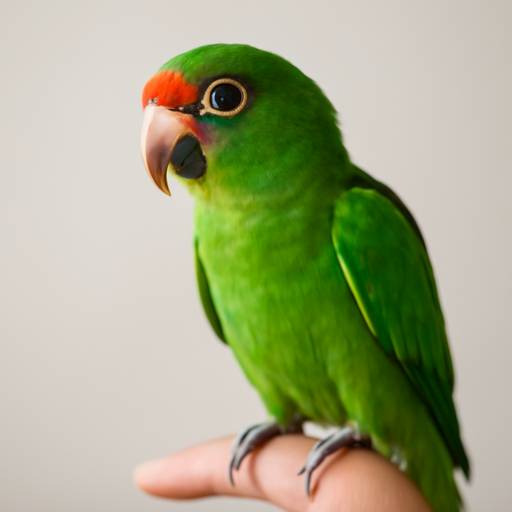
When ready to explore listings, compare selection, reputation, and support services—not just price. A bird’s early life is a lifelong investment. For a curated experience and knowledgeable guidance, explore hand raised parrots for sale to review options matched to various homes, from beginner-friendly companions to advanced species for seasoned enthusiasts.
Care Essentials, First-30-Days Game Plan, and Real-World Success Stories
Bringing a hand raised parrot home is the start of a relationship, not the finish line. A thoughtful setup prevents stress and sets expectations from day one. Choose a cage large enough for full wing extension and confident navigation; horizontal bars help climbers like conures and Cockatiels. Place the cage away from drafts and the kitchen, near family activity without constant traffic. Offer multiple perches of varied diameters and materials to promote foot health, plus safe chewables and foraging toys to occupy an active mind. Aim for 10–12 hours of uninterrupted darkness each night using a sleep cover or a quiet room; consistent rest curbs hormonal swings and screaming.
Diet underpins behavior and long-term health. Most species thrive on a high-quality pellet base (60–70%) with daily fresh vegetables (leafy greens, peppers, squash, broccoli, carrots) and limited fruit. Add soaked or sprouted grains/legumes for enrichment and balanced nutrients. Nuts and seeds should be training reinforcers, not free-fed staples—exceptions exist for species with higher fat needs, managed thoughtfully. Avoid avocado, chocolate, caffeine, alcohol, onion/garlic in large amounts, and foods heavily salted or seasoned. Eclectus owners should research vitamin sensitivity and focus on fresh, diverse produce with minimal reliance on artificially fortified diets.
Training begins the first day—but gently. Start with target training through the bars to build confidence, then teach a reliable step-up. Reinforce quiet moments and desirable behaviors, ignoring attention-seeking screams to avoid accidental rewards. A short, frequent schedule (3–5 minutes, several times daily) beats marathons. Introduce harness training slowly if outdoor adventures are planned, pairing every step with treats and praise. If you choose to keep your bird flighted, establish recall indoors before any outdoor sessions; if clipping is considered, consult an avian vet and a behavior professional to avoid creating balance issues or frustration.
Health-wise, schedule a wellness exam with an avian veterinarian within the first few weeks. Quarantine is advised if other birds live in the home. Regular weigh-ins on a gram scale help catch problems early—parrots often mask illness. Bathing or misting a few times weekly supports skin and feather condition; many birds love a gentle shower perch routine. Rotate toys and rearrange perches every week or two to encourage exploration and mental agility.
First 30 days, step-by-step:
– Days 1–3: Quiet observation. Offer the same foods the bird knows; add new items gradually. Build a predictable routine.
– Days 4–10: Introduce simple training (target, step-up). Begin gentle foraging (paper-wrapped pellets, veggie skewers).
– Days 11–20: Expand diet diversity, rotate toys, start harness desensitization or recall practice. Reinforce independent play.
– Days 21–30: Increase household integration—safe supervised out-of-cage time, short sessions in different rooms, continued positive reinforcement for calm behavior.
Real-world scenarios highlight how fit matters:
– Apartment professional + Green-cheeked Conure: A medium cage, foraging toys, and two 10-minute training sessions daily produced a cuddly, relatively quiet companion. Treat-driven recall turned high energy into play instead of noise.
– Family with teens + African Grey: With a well-structured routine, puzzle feeders, and speech modeling, the Grey flourished. Parents handled sleep schedules and vet visits; teens managed enrichment rotations and new word games.
– Retiree + Cockatiel: Gentle handling and daily whistling practice built a strong bond without overwhelming demands. The bird enjoyed window perches, light sunbaths, and cozy evening family time.
In every case, the common ingredients were consistent routines, enrichment, and compassionate training—foundations that hand raised birds quickly embrace. With thoughtful selection and a supportive source, owners discover why these parrots are renowned for deep bonds, engaging communication, and a lifetime of color and character in the home.

Gdańsk shipwright turned Reykjavík energy analyst. Marek writes on hydrogen ferries, Icelandic sagas, and ergonomic standing-desk hacks. He repairs violins from ship-timber scraps and cooks pierogi with fermented shark garnish (adventurous guests only).