
When your dryer won’t heat, takes forever to finish a cycle, or starts squealing loud enough to worry the neighbors, laundry day in Orange County can grind to a halt. A reliable appliance isn’t just a convenience—it’s essential for busy households, landlords managing rentals, and anyone balancing work, sports, and beach life. Professional dryer repair in Orange County combines speed with safety: licensed experts diagnose issues quickly, use genuine parts for lasting results, and help prevent hazards like lint-fueled vent fires. From Irvine condos with long vent runs to coastal homes in Newport Beach dealing with salt and humidity, localized knowledge matters. Here’s what Orange County residents should know about staying ahead of dryer problems, getting smart service, and keeping energy bills under control.
Common Dryer Problems Orange County Homeowners Face—and What They Mean
Long dry times are the number one reason homeowners call for Orange County dryer repair. If your dryer needs two or three cycles, you’re likely facing airflow restrictions. Lint accumulation in the vent, crushed transition ducts, clogged exterior caps, or booster fan failures choke airflow, trap moisture, and force the machine to run hotter and longer. Coastal humidity can compound the problem by encouraging lint clumping and light corrosion that narrows ducting. In multi-story buildings across Irvine, Tustin, and Anaheim, extended vent runs with multiple elbows are common culprits.
No heat or insufficient heat narrows the diagnosis further. Electric dryers often point to a failed heating element, high-limit thermostat, thermal fuse, or a partial power issue at the outlet. Gas dryers introduce more variables: faulty igniters, flame sensors, or gas valve coils can prevent consistent ignition. A dryer that heats at the start but stops midway may be tripping a safety device due to overheating from vent blockage; restoring safe airflow often resolves the cycle interruption.
Loud noises—including thumping, scraping, or high-pitched squeals—usually indicate worn mechanical parts: drum rollers, idler pulleys, bearings, or a stretched belt. Left unchecked, friction rises, motors overwork, and repair costs increase. A drum that won’t spin commonly points to a snapped belt, seized roller, or failed motor. Doors that won’t latch or intermittent starts often involve the door switch or control board, especially on modern models with moisture sensors and touch panels.
Burning smells or visible lint around the door gasket are red flags. While a faint “warm laundry” scent is normal, a sharp scorched odor means lint is too close to the heat source, the exhaust is restricted, or wiring is overheating. In coastal communities like Huntington Beach or Laguna Niguel where sand and pet hair sneak into the laundry room, lint builds faster and should be addressed sooner. Finally, error codes on digital units—such as airflow or thermistor faults—are a gift; they shorten troubleshooting time and help technicians zero in on the failed component or airflow restriction faster, saving you both time and money.
What to Expect from a Professional Dryer Repair Service in OC
The best outcomes start with a thorough diagnostic. A qualified technician begins by confirming basic power or gas supply, then checks thermal protection and temperature rise, listens for bearing noises, and tests continuity on critical components with a multimeter. On gas units, a tech inspects the ignition sequence, flame quality, and safety sensors, and may perform leak checks at the shutoff valve and flexible line. Airflow is central; expect a review of the entire vent path—from the dryer’s outlet to the termination cap—because many “bad dryer” symptoms are really “bad vent” issues. In condos from Costa Mesa to Mission Viejo, techs may evaluate booster fans, rooftop terminations, and HOA-approved vent caps to ensure code-compliant performance.
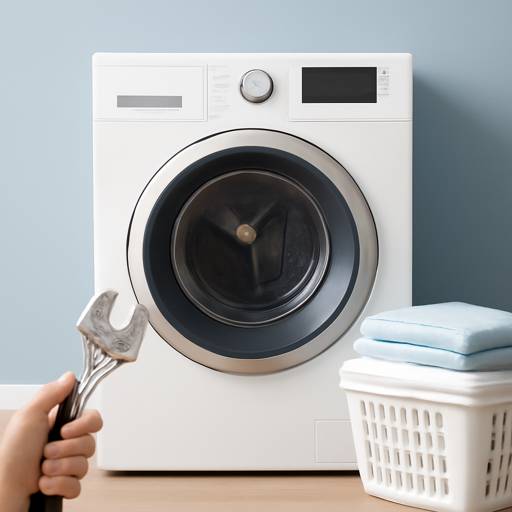
Transparency is key. After isolating the fault—be it a heating element, thermal fuse, belt, roller set, motor, control board, or moisture sensor—the technician should present a clear estimate that balances part cost, labor, and turnaround. Using genuine factory parts matters for performance and warranty, particularly on premium models from Miele, Bosch, Asko, and on mainstream brands like Whirlpool, Maytag, LG, Samsung, GE, Electrolux, and Speed Queen. Many local providers offer same-day service windows, especially in high-demand areas like Santa Ana, Fullerton, and Newport Beach, minimizing downtime so you can get back to normal routines quickly.
Expect safety and longevity to be part of the conversation. A seasoned pro will recommend replacing wear sets together (such as rollers and idler) to prevent immediate callbacks, verify correct vent materials (rigid or semi-rigid metal—not plastic or foil), and ensure the machine is leveled to reduce vibration and bearing wear. You’ll also get guidance tailored to your property: for example, setting a twice-yearly vent clean for large families or short-term rental turnover, or annual checks for homes near the coast where humidity and salt can accelerate corrosion. When you’re ready to schedule reliable help, use a trusted local resource like Orange County Dryer Repair to connect with licensed and insured technicians who know the area’s unique building layouts and venting challenges.
Safety, Maintenance, and Cost-Saving Tips to Keep Your Dryer Running
Dryers are simple in purpose but demanding in airflow. For performance and safety, prioritize dryer vent cleaning. Most households should clean vents annually; large families, pet owners, or homes with long duct runs should target every six months. Warning signs include a hot-to-the-touch cabinet, a musty smell on clothes, lint around the door, a flapper that barely opens outside, or rising utility bills. Cleaning should extend beyond the lint filter: the outlet chute, transition duct, vent line, booster fan blades (if present), termination cap, and bird or pest screens must all be clear.
Small habits add up. Clean the lint filter before every load and wash the screen monthly with mild soap to remove fabric softener residue that restricts airflow. Sort heavy cottons and towels separately from synthetics so auto-dry sensors can read moisture accurately. Avoid overloading—crammed drums prevent warm air circulation and strain motors and rollers. Keep the unit level to reduce thrust on bearings, and check that the transition duct is semi-rigid or rigid metal with smooth bends, not flexible plastic that kinks and traps lint. If you own a gas dryer, periodically inspect the flexible connector for kinks or age-related cracking and make sure the shutoff valve is accessible.
Know when repair beats replacement. A practical rule is to repair when the cost is under 50% of a comparable new dryer and the appliance is within its typical lifespan (often 10–13 years, with some commercial-grade or Speed Queen units lasting longer). Many fixes—belts, rollers, thermostats, thermal fuses, igniters—are cost-effective and restore like-new function. Even better, fixing airflow can pay back quickly. Every extra “just one more cycle” adds wear, wastes time, and can cost a few dollars in electricity or gas weekly. Over a month, that’s the price of the repair calling your name.
Consider local conditions. Santa Ana winds can push dust into exterior caps; periodic checks keep airflow steady. Coastal moisture in areas like Dana Point increases condensation in long, cool vent runs—insulating or rerouting a problem section may prevent recurring sensor errors and cut dry times by 20–30%. A recent Irvine case saw chronic overheating and mid-cycle shutdowns resolved by replacing a crushed transition duct and cleaning a 25-foot line; the homeowner’s energy use for laundry dropped noticeably, and dry times fell from 75 to 40 minutes on mixed loads. When an expert pairs preventive maintenance with targeted repairs and genuine parts, you get faster cycles, safer operation, and a dryer that lasts.

Gdańsk shipwright turned Reykjavík energy analyst. Marek writes on hydrogen ferries, Icelandic sagas, and ergonomic standing-desk hacks. He repairs violins from ship-timber scraps and cooks pierogi with fermented shark garnish (adventurous guests only).