
The image is eerie and strangely consistent: a shadowy figure in a brimmed hat, lurking in bedrooms and doorways, staring back from the edge of sleep. Online communities call him the “Hat Man.” In recent years, some posts have linked this specter to intentional misuse of Benadryl, a common brand of diphenhydramine. While the meme culture around this topic can seem playful, the underlying reality is anything but. Hallucinations tied to diphenhydramine are signs of toxic effects on the brain, not a quirky shortcut to a supernatural experience. Understanding how anticholinergic medications alter perception, why some people report the same archetypal figure, and what the genuine risks look like can prevent tragedy—especially for teens, college students, and adults who may be seeking sleep, escape, or experimentation. In recovery settings across Orange County, these conversations are happening every day, with a focus on safety, science, and compassionate support.
What Is the “Hat Man” and Why Does Benadryl Trigger Hallucinations?
Benadryl contains diphenhydramine, an older-generation antihistamine. Besides blocking histamine, it also exerts a strong anticholinergic effect, meaning it interferes with acetylcholine signaling in the brain and body. At recommended doses, the most common effects include drowsiness, dry mouth, and reduced allergy symptoms. When people exceed the label directions—intentionally or unintentionally—diphenhydramine can push the central nervous system into a state of anticholinergic delirium. This is not a creative high; it is a toxic state marked by confusion, disorientation, memory gaps, agitation, and disturbing visual or auditory hallucinations.
Why do so many accounts describe the same shadowy figure in a hat? Neuroscience offers clues. The brain under anticholinergic stress struggles to filter stimuli and assemble coherent reality. In this state, the visual system is prone to generating “pareidolia,” the tendency to perceive meaningful patterns or faces within shadows and edges. Archetypal imagery—dark figures, watchers at the threshold, beings in hats or cloaks—can emerge because the mind relies on deeply encoded templates when perception becomes unstable. Sleep-wake disruption also plays a role. Diphenhydramine can fragment sleep architecture, increasing hypnagogic (falling-asleep) and hypnopompic (waking-up) hallucinations, times when the brain drifts between dreaming and wakefulness. The result can feel cinematic, but it reflects neurochemical overload, not a portal into the paranormal.
Classic features of the anticholinergic toxidrome often accompany these experiences: dilated pupils and blurred vision, flushed and hot skin, dryness of the mouth and eyes, rapid heart rate, urinary retention, and reduced sweating. Mentally, people may appear awake yet profoundly confused, unable to distinguish hallucinations from reality. In severe cases, seizures, dangerously high body temperature, cardiac rhythm disturbances, or coma can occur. Some users describe seeing “shadow people” or the “Hat Man” repeatedly, especially in dark or quiet rooms, and may interpret the recurrence as external. In fact, it reflects the brain’s repeated response to the same pharmacological stressor. The consistency of the image does not make it safe; it underscores how reliably diphenhydramine can break down perception.
Real Risks Behind a “Harmless” Trend: Toxicity, Overdose, and Co‑Occurring Substance Use
The most dangerous misunderstanding about diphenhydramine is the assumption that an over-the-counter medication is inherently safe at any amount. It is not. At higher quantities, this drug can disrupt the heart’s electrical conduction and impair the brain’s ability to regulate temperature and behavior. Panic, combativeness, and paranoia can lead to falls, injuries, or risky decisions. Alone, these risks are serious; combined with alcohol, cannabis, opioids, benzodiazepines, or certain antidepressants and sleep aids, the picture darkens further. Sedation can deepen into respiratory depression, and agitation can swing into life-threatening hyperthermia. In emergency departments across the country, clinicians witness how quickly an “experiment” becomes an ICU admission.
Social media trends often frame the “Hat Man” as a rite of passage. In practice, this framing can set off a cycle. Someone uses diphenhydramine to sleep, experiences a bizarre hallucination, becomes curious or defiant, and repeats the behavior. Each time, the brain learns to expect altered reality—sleep becomes more fragmented, anxiety ticks up, and the person may escalate use. For those living with insomnia, trauma, ADHD, depression, or anxiety, self-medicating compounds the underlying condition. Anticholinergic strain can fog memory and attention, exacerbating academic or work problems and straining relationships.
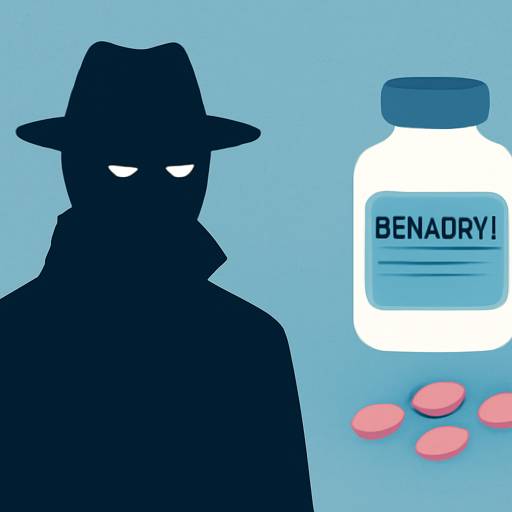
Consider a composite example drawn from real-world patterns in Orange County. A college freshman—call him Alex—starts taking higher-than-recommended doses of diphenhydramine during midterms “to knock out at night.” After a few weeks, he experiences intense fear in the dark and a recurring vision of a hat-wearing silhouette. He increases the dose to chase sleep and numb stress, sometimes mixing with alcohol after parties. One night, Alex becomes severely disoriented, runs out of his apartment, and collapses. He spends the night in the hospital for a dangerously rapid heart rate and dehydration. This scenario is common enough that hospitals and recovery providers know the playbook: stabilize medically, then address the mental health roots.
Public health messaging around the hat man benadryl trend emphasizes a hard truth: whether the figure appears or not, the risk is the same. The hallucination is a symptom of toxicity. Repetition builds tolerance to sedation but not to the most dangerous effects, raising the odds of confusion, cardiac events, or accidental injury. For individuals with a family history of heart rhythm problems, those taking other anticholinergic medications, or anyone using multiple substances, the margin of safety narrows further. Education and early intervention are essential, especially for teens and young adults who may be swayed by online dares or memes.
Safer Paths Forward: Harm Reduction, Treatment Options, and Support in Orange County
Prevention starts with clarity. Never exceed the label dose of diphenhydramine. Do not mix it with alcohol, opioids, benzodiazepines, sedating antihistamines, or sleep aids. Review other medications—prescription and over-the-counter—for anticholinergic properties to avoid stacking effects. If someone becomes confused, agitated, extremely drowsy, or starts hallucinating after taking diphenhydramine, stay with them in a calm, well-lit environment, remove hazards, and seek medical help immediately. Rapid heart rate, high temperature, severe disorientation, seizures, or chest pain require emergency services. If you have questions about a possible overdose, contact local emergency services or a poison center for real-time guidance.
For people who find themselves reaching for diphenhydramine repeatedly—whether to sleep, blunt anxiety, or chase hallucinations—the safest approach is to address the underlying need. Insomnia is treatable without risky sedative stacking. Evidence-based therapy for sleep, such as cognitive behavioral therapy for insomnia (CBT-I), can restore healthy patterns. Anxiety and trauma-related conditions respond to modalities like CBT, EMDR, and mindfulness-based interventions. When substance use has escalated or multiple substances are in the mix, a structured program that integrates medical care and mental health support is often the most effective route.
In Orange County, residential and outpatient programs are designed to meet these needs with discretion and depth. A therapeutic environment—sometimes in a serene, coastal setting—can reduce stress reactivity and create space for change. Medical teams can manage detox for over-the-counter and prescription medications safely, monitor heart rhythm and hydration, and taper sedatives when appropriate. Psychiatric providers can recalibrate sleep plans, evaluate for co-occurring disorders, and align medications to minimize anticholinergic burden. Therapists help unravel the pattern: the stressors that led to misuse, the beliefs that keep it going, and the skills that can replace it. Family sessions often rebuild communication, while relapse-prevention plans anticipate triggers like exams, night shifts, or grief.
A luxury rehabilitation setting does more than provide comfort. Calm surroundings can reduce hyperarousal, allowing the nervous system to downshift. Nutrition, hydration, and gentle movement support recovery from anticholinergic strain. Breathwork and relaxation practices retrain the body’s sleep-wake cycles, replacing the urge to “knock out” with genuine rest. Aftercare planning—including follow-up therapy, sleep-focused coaching, and sober peer support—keeps momentum going once formal treatment ends. For many in Orange County, this comprehensive, compassionate approach transforms an alarming brush with the “Hat Man” into a turning point: away from risky self-experimentation and toward sustainable wellbeing.

Gdańsk shipwright turned Reykjavík energy analyst. Marek writes on hydrogen ferries, Icelandic sagas, and ergonomic standing-desk hacks. He repairs violins from ship-timber scraps and cooks pierogi with fermented shark garnish (adventurous guests only).